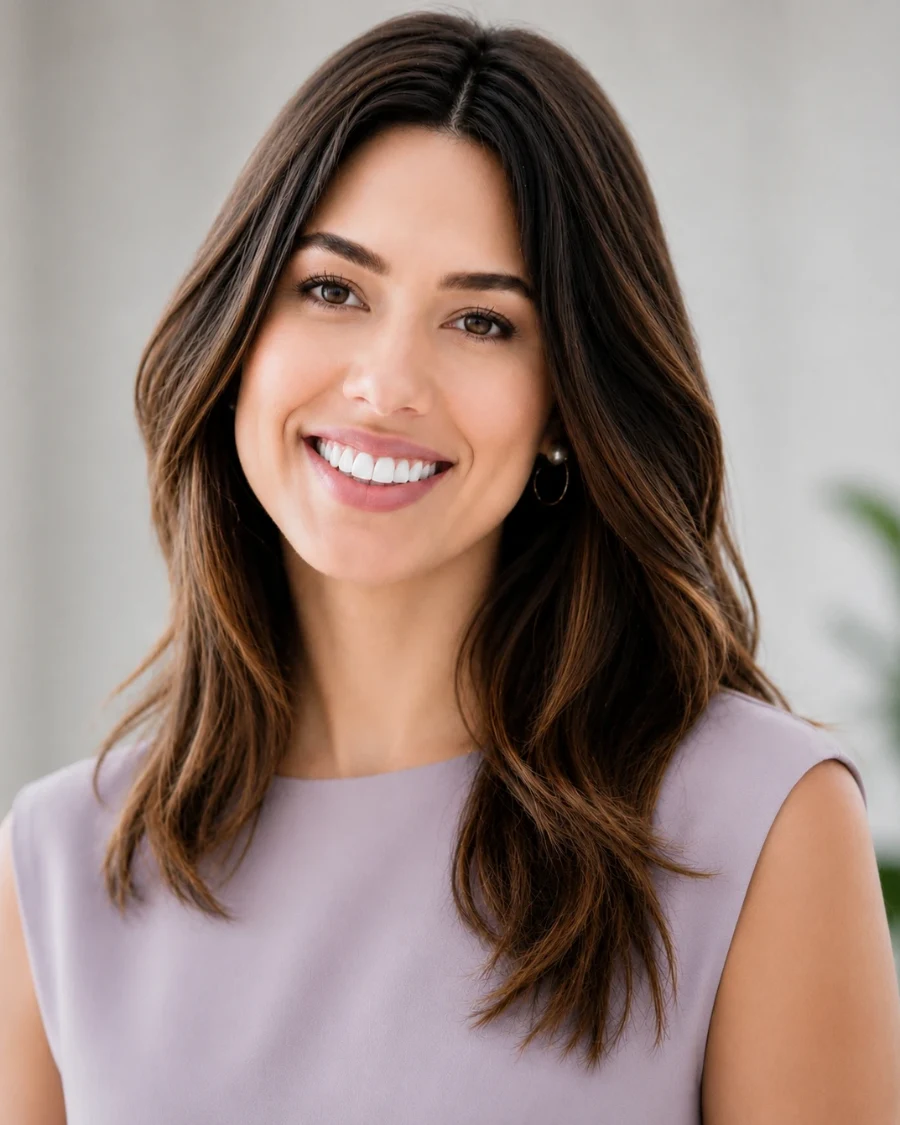
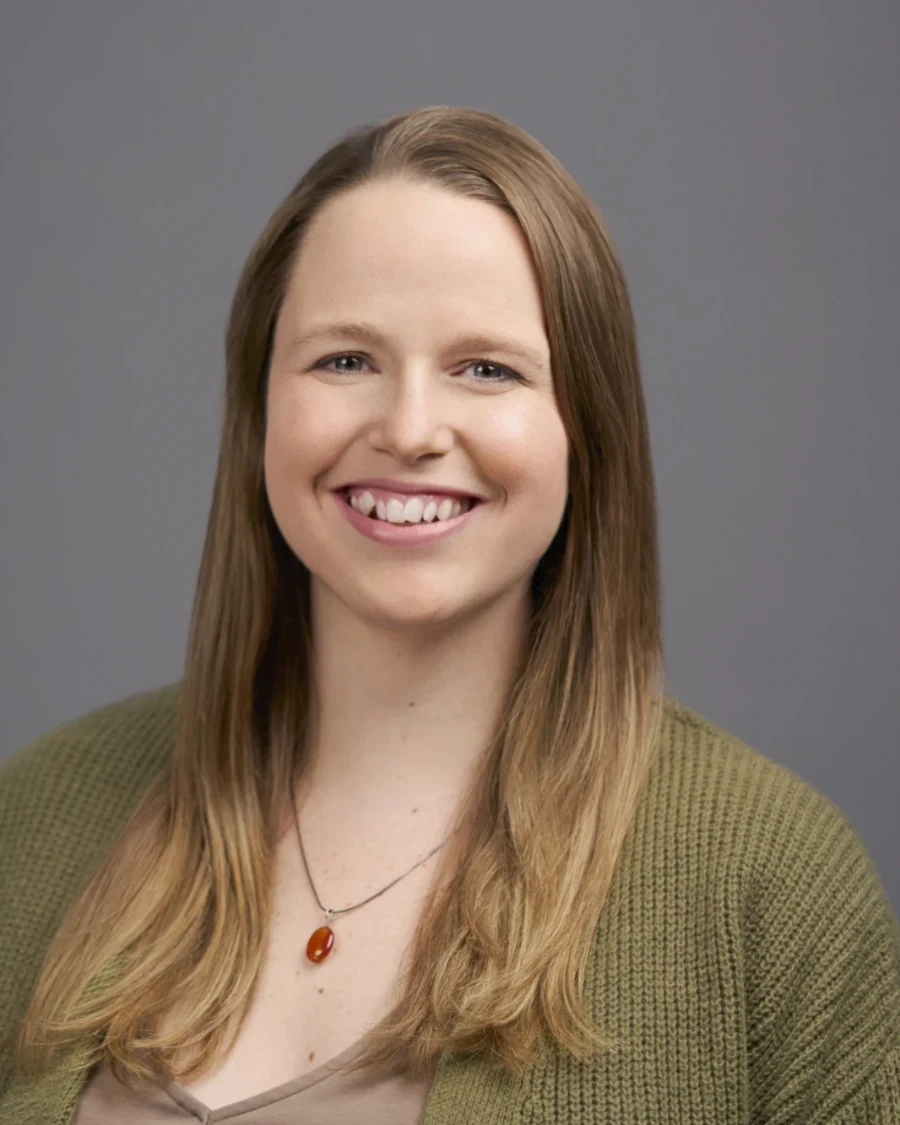
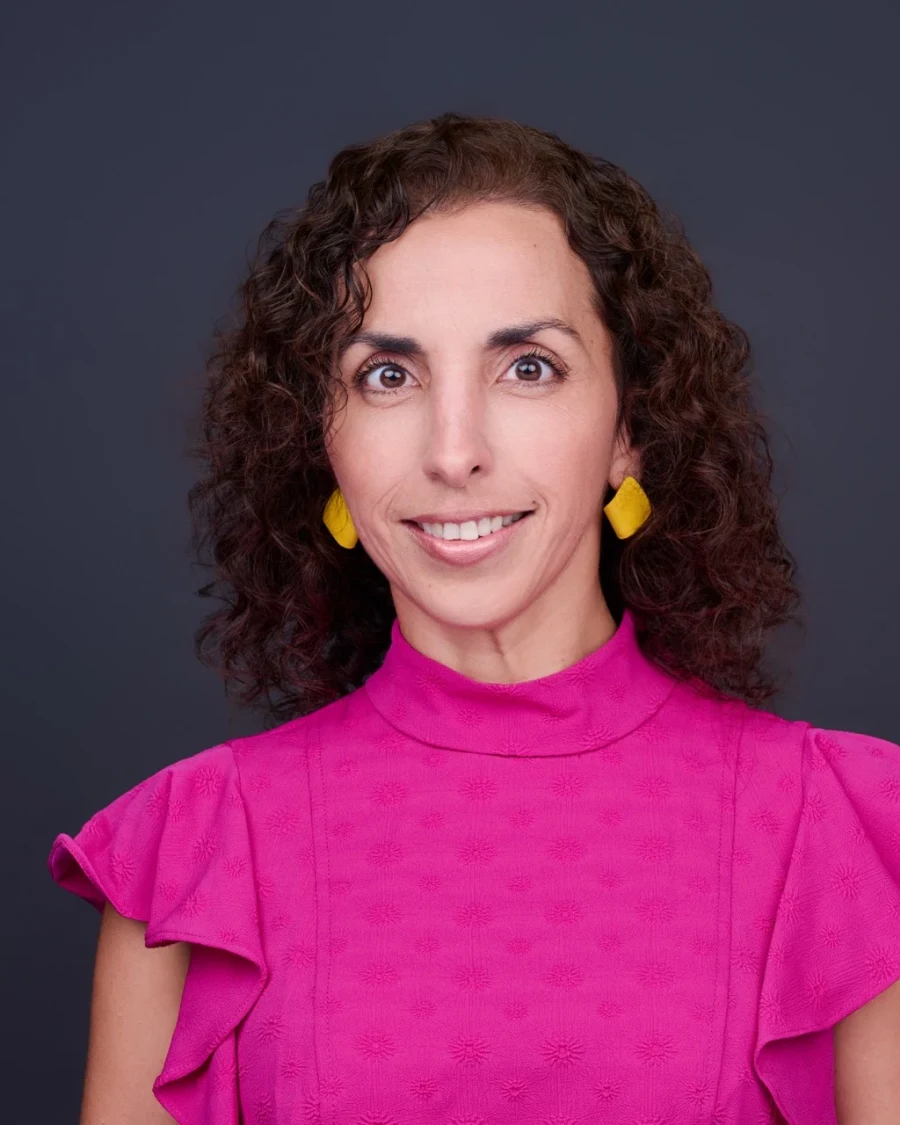
The clinicians, interpreters, and advocates leading the work on language access.
Keynote Speaker
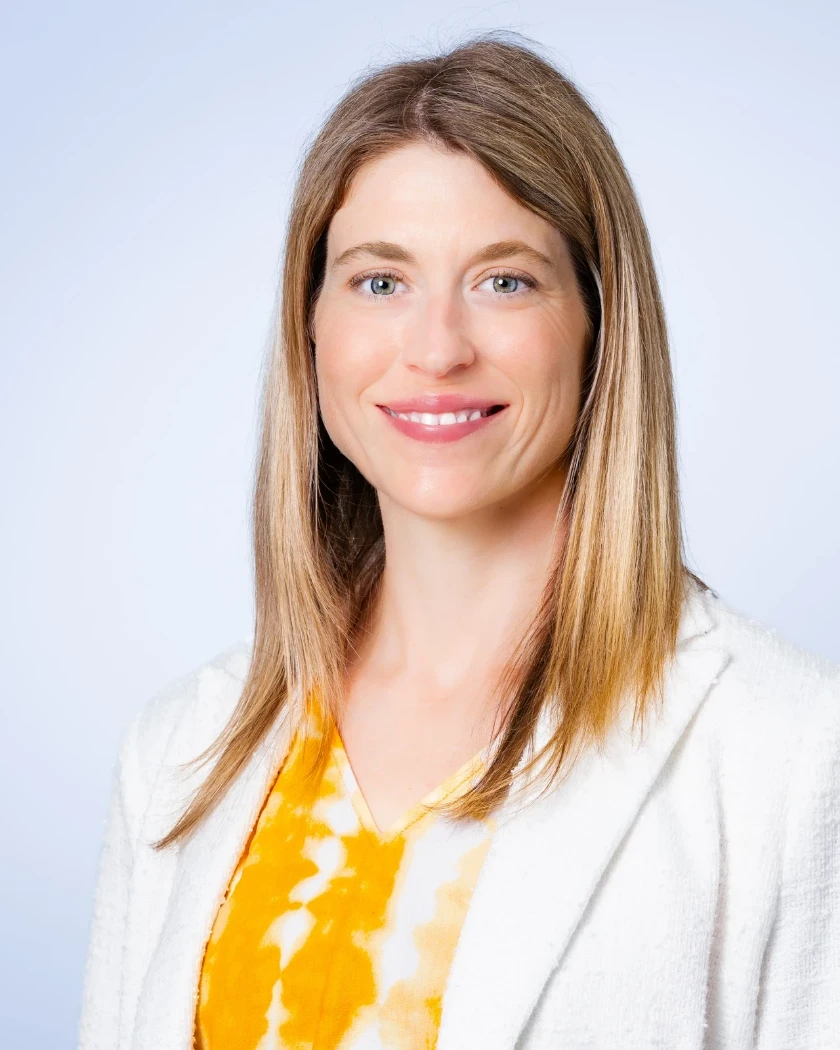
Elizabeth Even
The Joint Commission
Senior Director, Field Operations
“The Standards That Protect Patients: A Joint Commission View on Language Access”
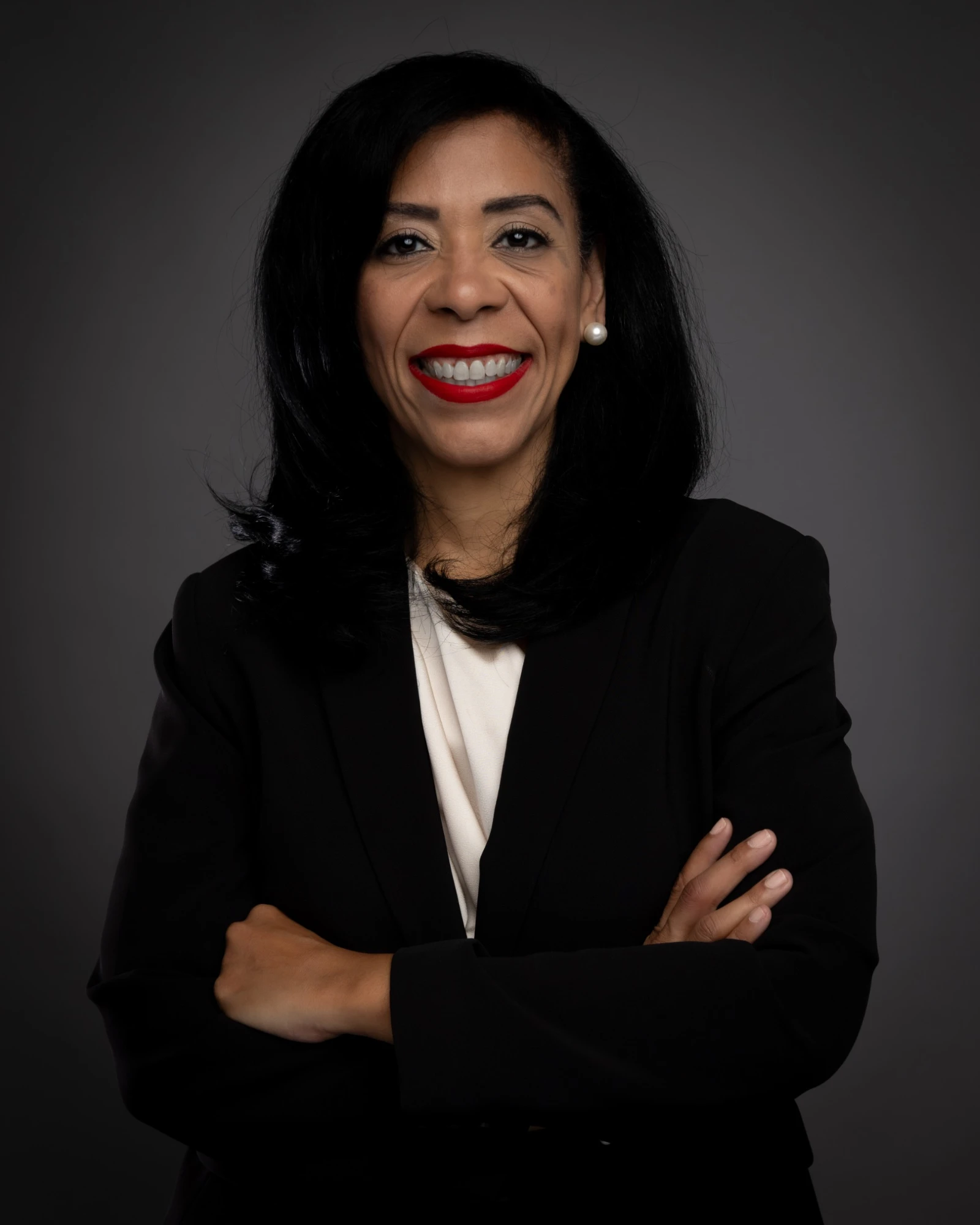
Elizabeth Even is a nurse with over 20 years of clinical and leadership experience who currently serves as Senior Director of Field Operations for the Division of Accreditation and Certification Operations at The Joint Commission. In this role, she provides strategic and operational leadership for ACO field operations, including strategic planning, budgeting and financial management, workforce planning, talent acquisition and retention, employee engagement, education, and the execution of field-based programs and activities. Her work supports the organization’s strategic direction and advances consistent, high-quality, and customer-focused accreditation and certification operations.
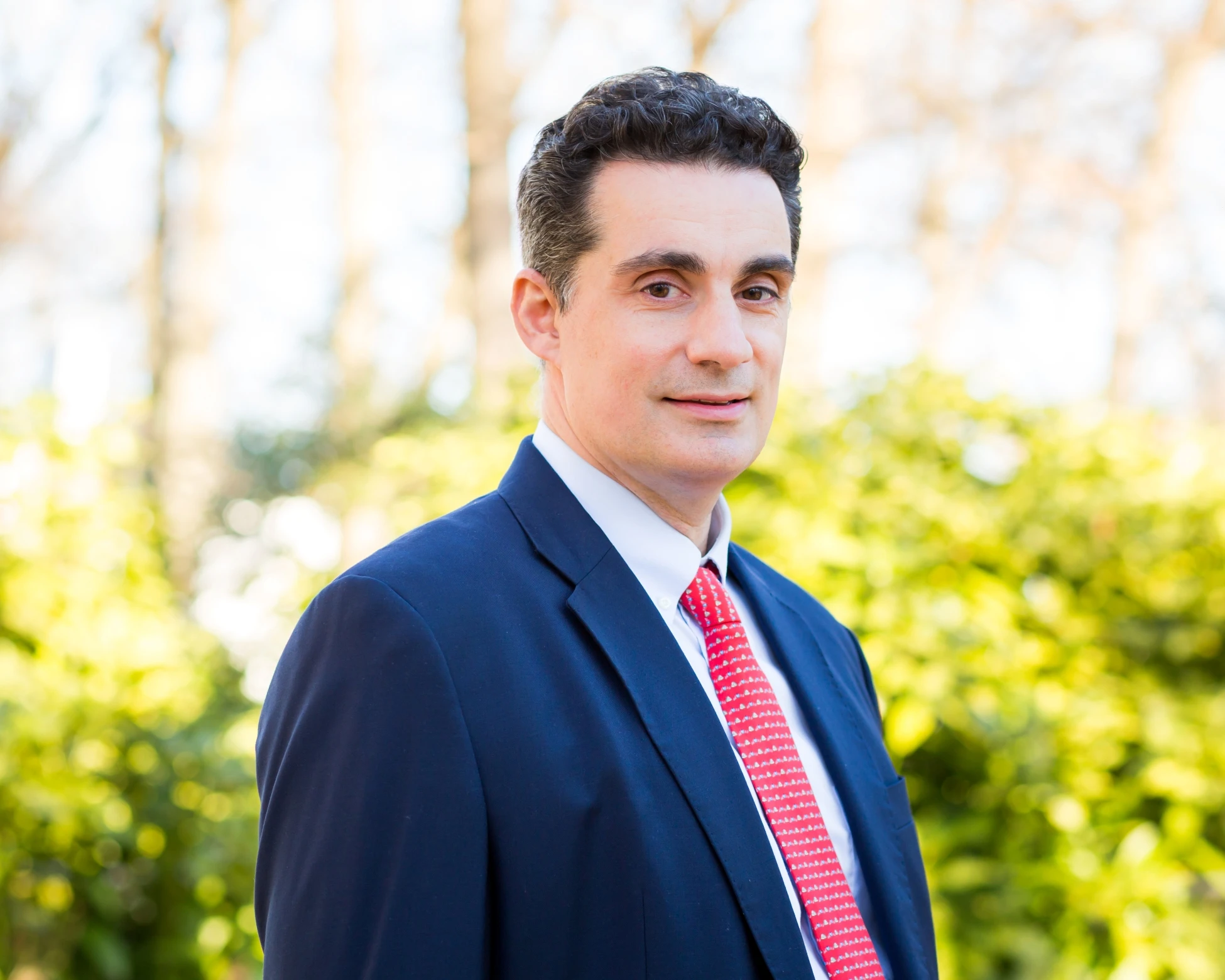
Michael Mulé
“Lessons from DOJ’s Language Access Enforcement”
Civil Rights Attorney, Language Access Expert
Formerly U.S. Department of Justice, Civil Rights Division
Michael Mulé is a civil rights attorney with twenty years of experience advancing the rights of people who communicate in languages other than English. For fifteen years, he led national Title VI and language access initiatives at the U.S. Department of Justice (DOJ) in the Civil Rights Division (CRT) and the Office of Justice Programs.
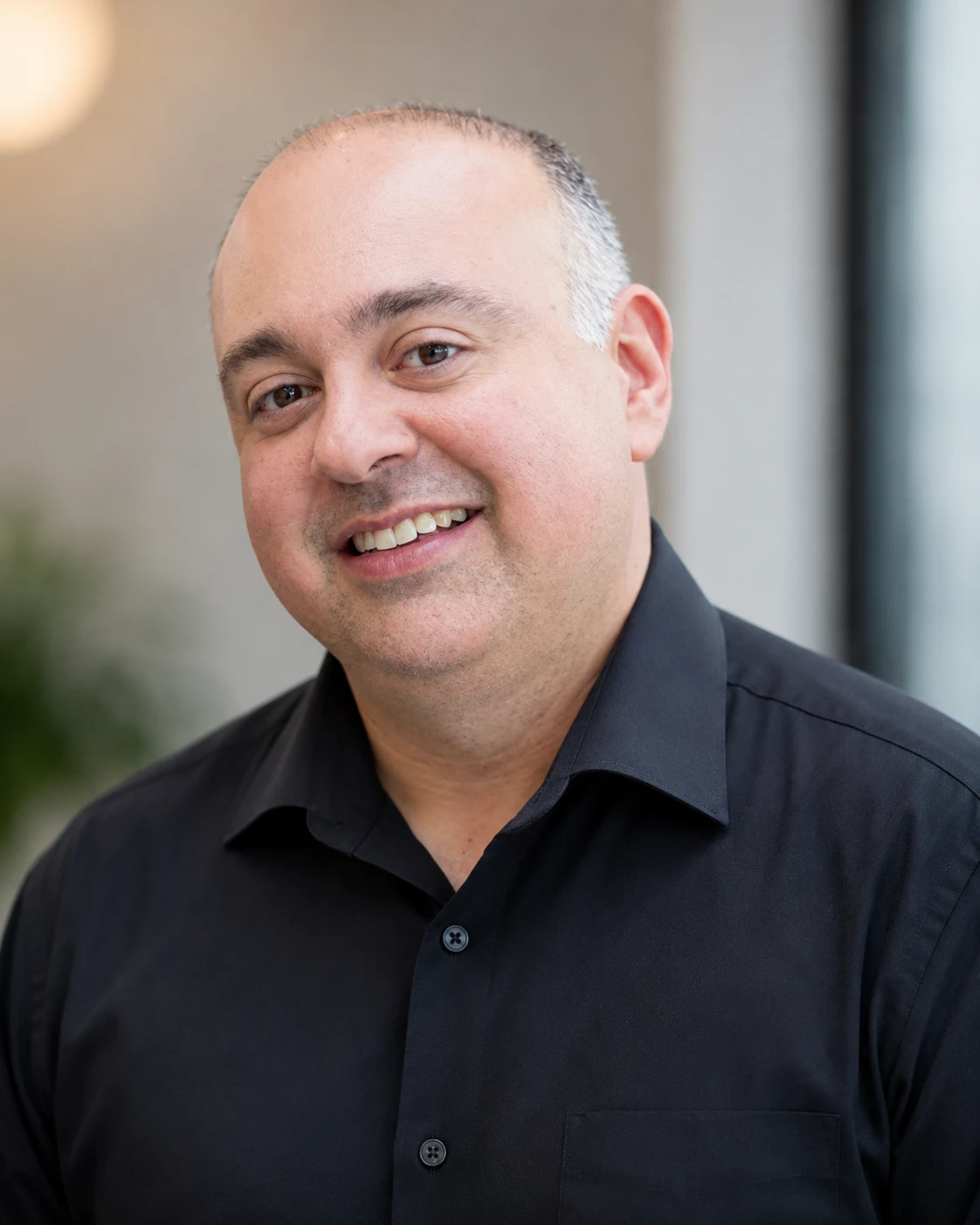
Danilo Formolo, MBA, CHI™
“Why Hospitals Still Get Language Access Wrong: The Uncomfortable Truth”
CEO & Founder
Affinity Language Systems
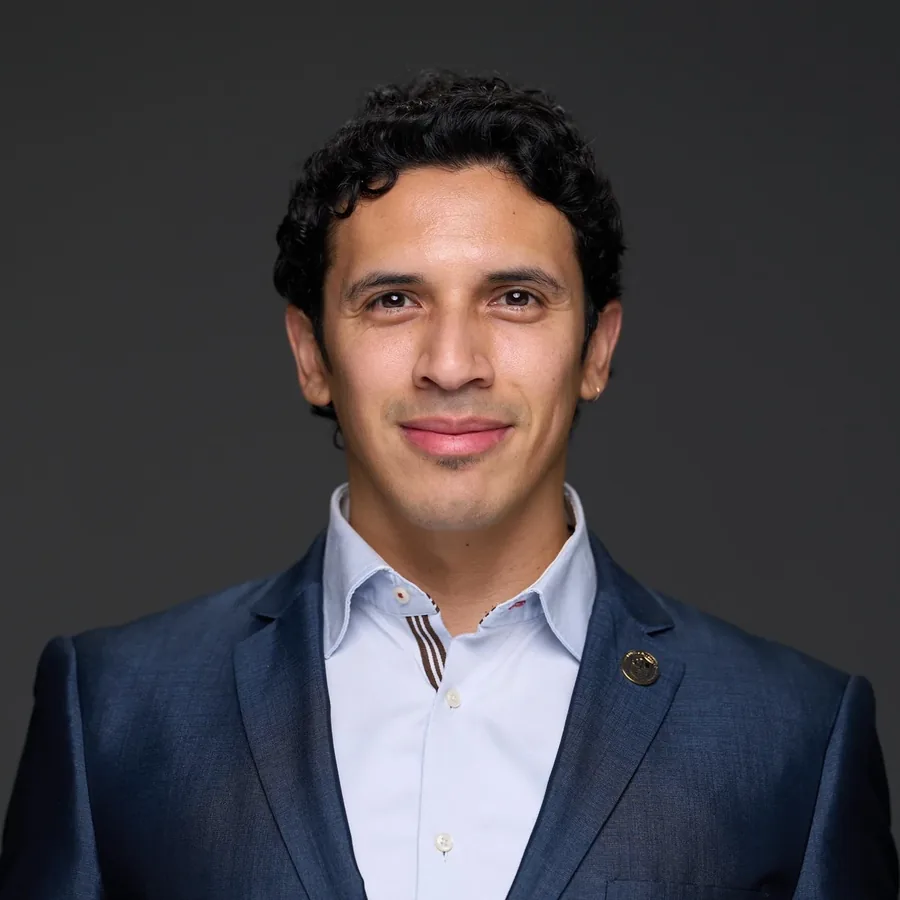
Danilo Formolo is the CEO and Founder of Affinity Language Systems, an organization focused on building human and technology-enabled language access infrastructure. He serves as a CCHI Commissioner and treasurer, and spent 21 years building the largest healthcare-based language access program in the nation at Atrium Health. As Associate Vice President of Language Access, he created a large, scalable infrastructure through technology, efficiency, and strategy to improve access across four states with a team of nearly 200 medical interpreters. Danilo earned Bachelor’s degrees in Management and International Business from UNC Charlotte, plus an MBA. He has delivered industry conference presentations around the country, is a Certified Healthcare Interpreter, and has served on various community boards and initiatives. Of Colombian and Italian heritage, his first instrument is the piano, and he has served as an organist and music director at various churches in the Charlotte, NC area.
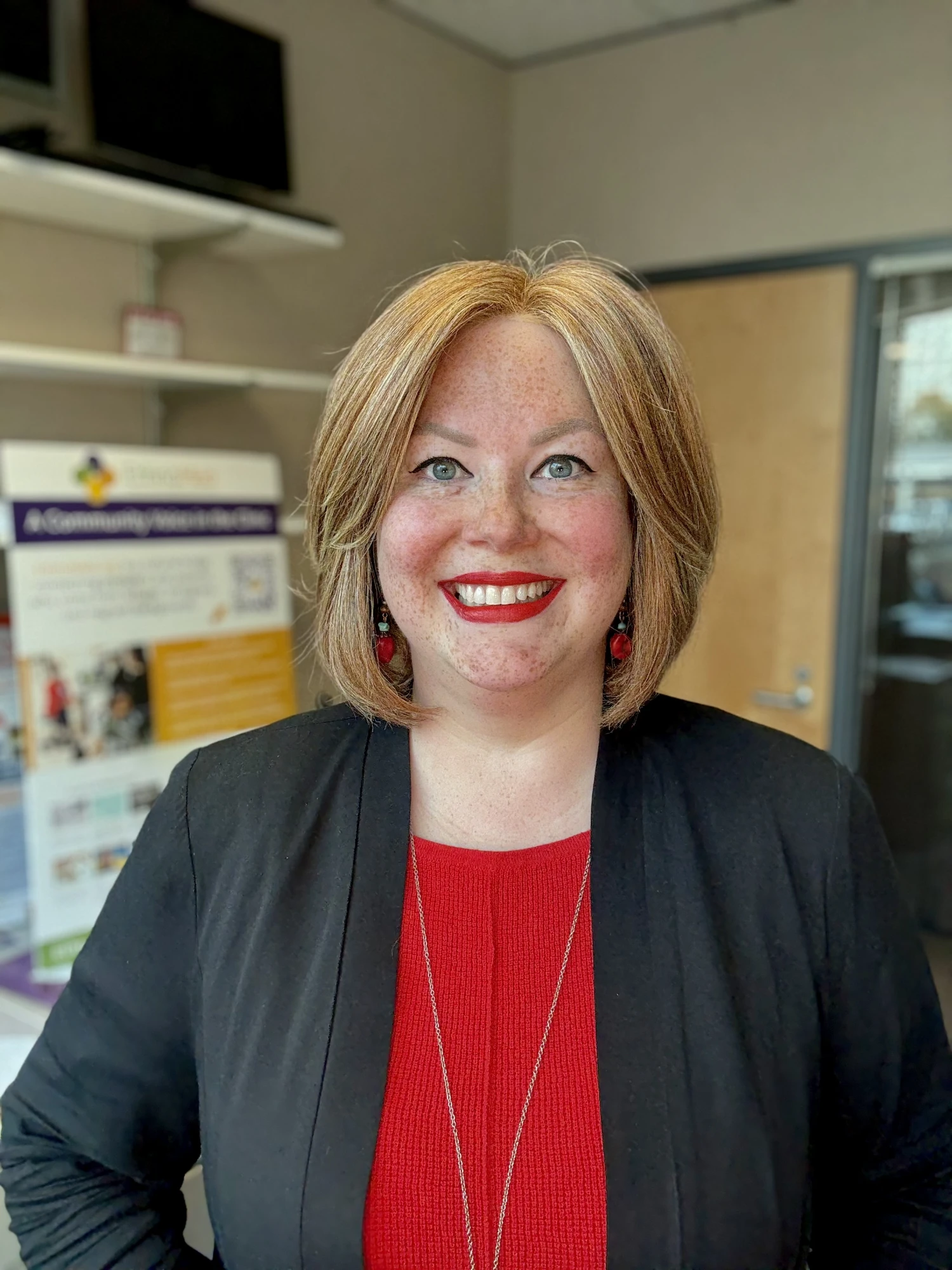
Yuliya Speroff, CoreCHI-P™
“Promoting Health Equity Through Language Access: Case Study from Harborview Medical Center”
Medical Interpreter Supervisor
Harborview Medical Center, Seattle
Yuliya Speroff is a Russian–English CoreCHI-P™ and Washington DSHS-certified interpreter and Medical Interpreter Supervisor at Harborview Medical Center in Seattle, Washington. Yuliya has extensive experience as a trainer, teaching both continuing education courses and introductory medical interpreter training programs for major professional organizations across the United States. Her passion for advancing the medical interpreting profession is reflected in multiple roles: she is the author of medicalinterpreterblog.com and serves as vice president of the National Council on Interpreting in Healthcare (NCIHC). Her contributions have been recognized nationally. She was named Interpreter of the Year by the California Healthcare Interpreting Association (CHIA) in 2021 and Trainer of the Year by Americans Against Language Barriers (AALB) in 2024.
Yuri Takabatake, MD
“Advancing Language Access Through Interprofessional Collaboration: The Language Access & Care Committee”
Attending Physician
Lurie Children’s Hospital of Chicago
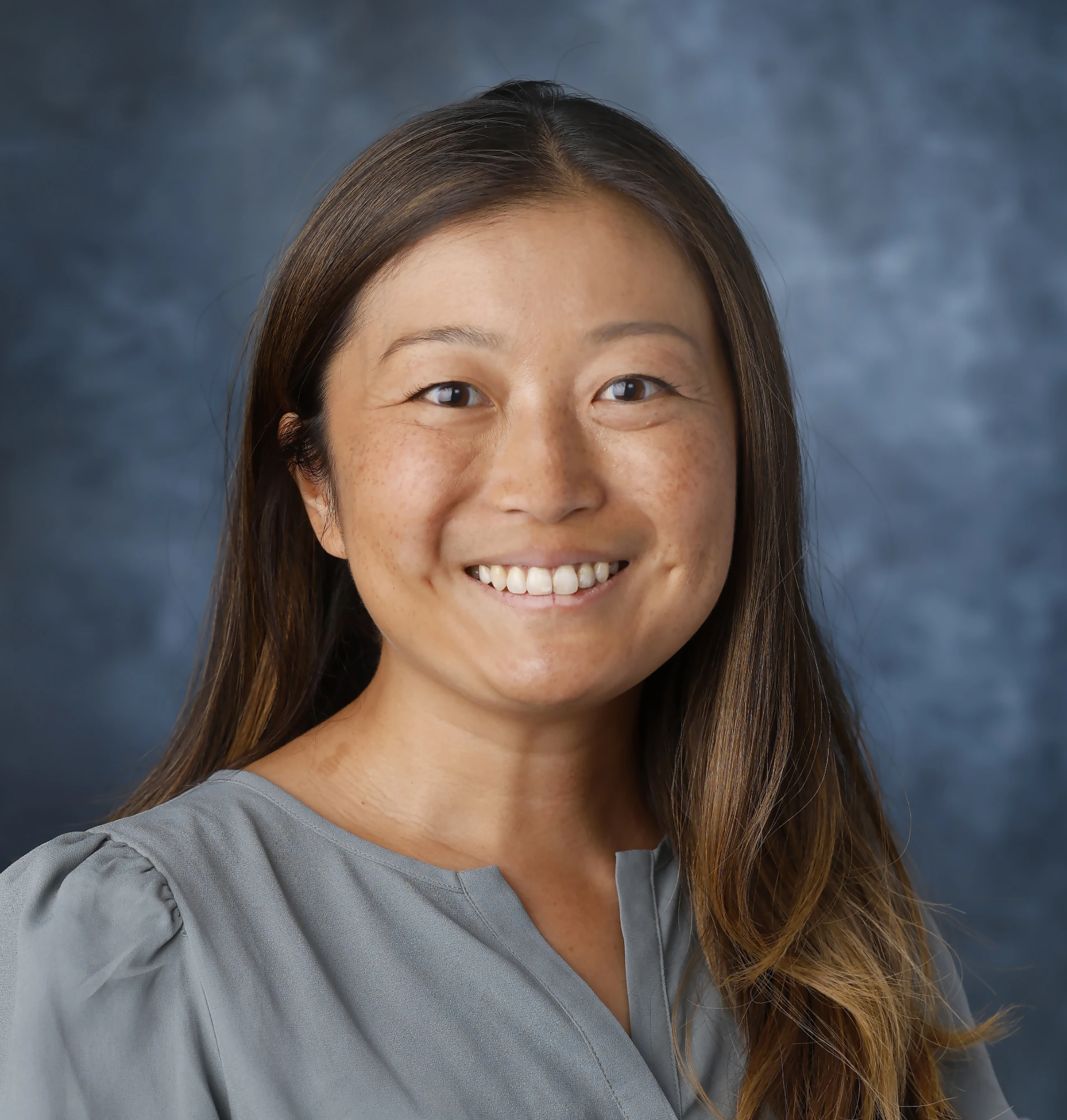
Dr. Yuri Takabatake is an attending physician within the Division of Hospital-Based Medicine at Ann & Robert H. Lurie Children’s Hospital of Chicago. She is a language equity researcher and advocate, and has published on topics such as interpreter partnership during family-centered rounds. She is also the co-founder and co-director of Lurie Children’s Language Access and Care Committee.
Jane Crandall Kontrimas, CoreCHI™, MS
“Revising the National Code of Ethics for Interpreters in Health Care: What’s New?”
National Ethics and Standards Work Group Chair
National Council on Interpreting in Health Care
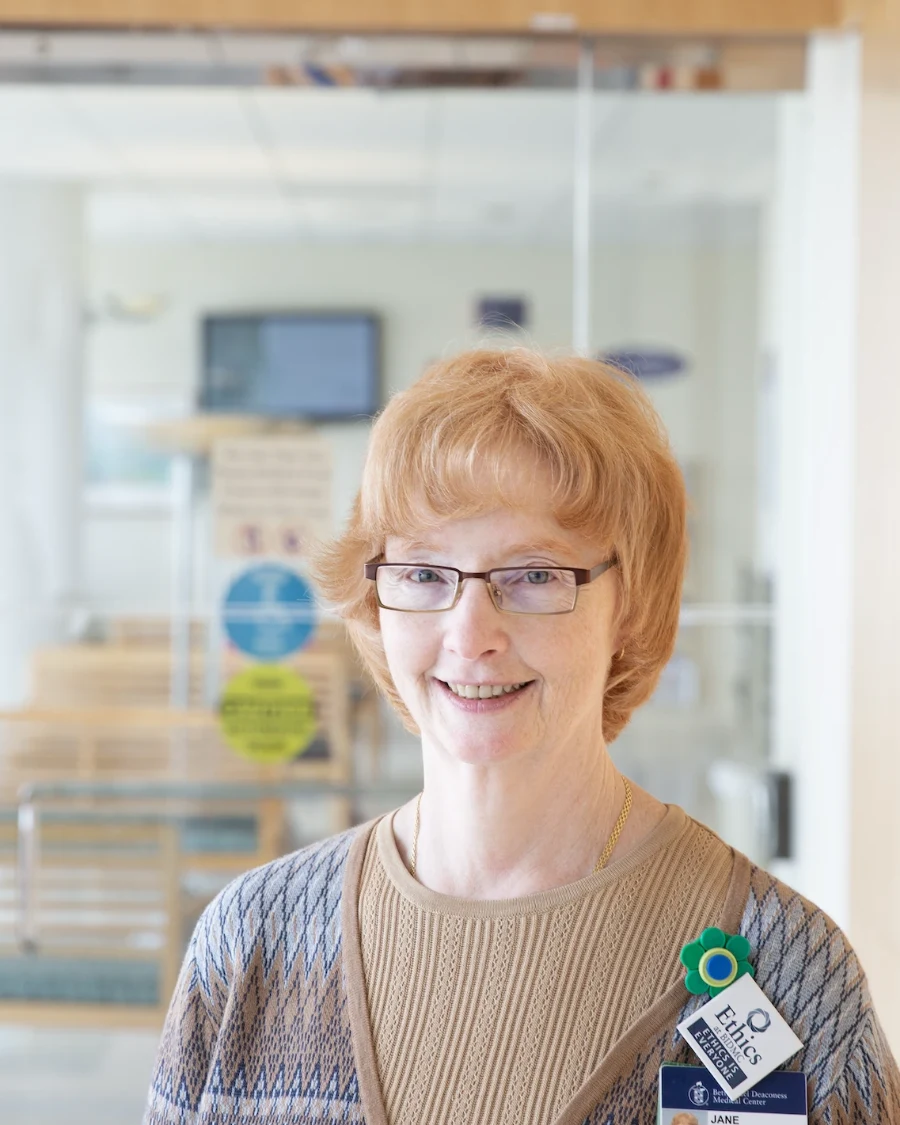
Jane Crandall Kontrimas worked as a Russian interpreter from 1978 to 2025. She was a founding member of the Massachusetts Medical Interpreter Association (MMIA), now the International Medical Interpreter Association (IMIA), and chaired its Standards of Practice Committee while the Standards of Practice for Medical Interpreters (1996) was written. She co-wrote Interpreter Advocacy in Healthcare Encounters: A Closer Look with the National Standards of Practice Work Group of the National Council on Interpreting in Health Care (NCIHC), and currently chairs the NCIHC National Ethics and Standards Work Group revising the Code of Ethics for Interpreters in Health Care. She has expressed her passion for interpreting by training interpreters, medical students and faculty, and social workers. Her Day 2 workshop puts outcome-based ethical reasoning to work on real case scenarios.
Marisa Rueda Will, CHI™-Spanish
“Speak Up: Using Front-Line Experience to Shape Federal Policy”
Founder & Lead Trainer
Tica Interpreter Training & Translations
Marisa Rueda Will is a veteran medical interpreter and trainer with over 18 years of experience at Mayo Clinic, where she rose to Level III and served as a Simulation Center Instructor. A certified Spanish healthcare interpreter (CHI™-Spanish) and Licensed Interpreter Trainer, Marisa holds a degree from Luther College and recently completed her Master’s in Interpreting Studies at Western Oregon University. She is actively involved in the industry, serving on the NCIHC Webinars Work Group and as a CCHI Commissioner, and presenting at major national conferences including ATA, CHIA, and CCHI. Today, she owns Tica Interpreter Training and Translations, where she specializes in education through storytelling, delivering professional training rooted in real patient experiences.
Wilma Alvarado-Little
“Empowering Communication: Lessons from Language Access Past, Present, and Future”
Associate Commissioner
New York State Department of Health
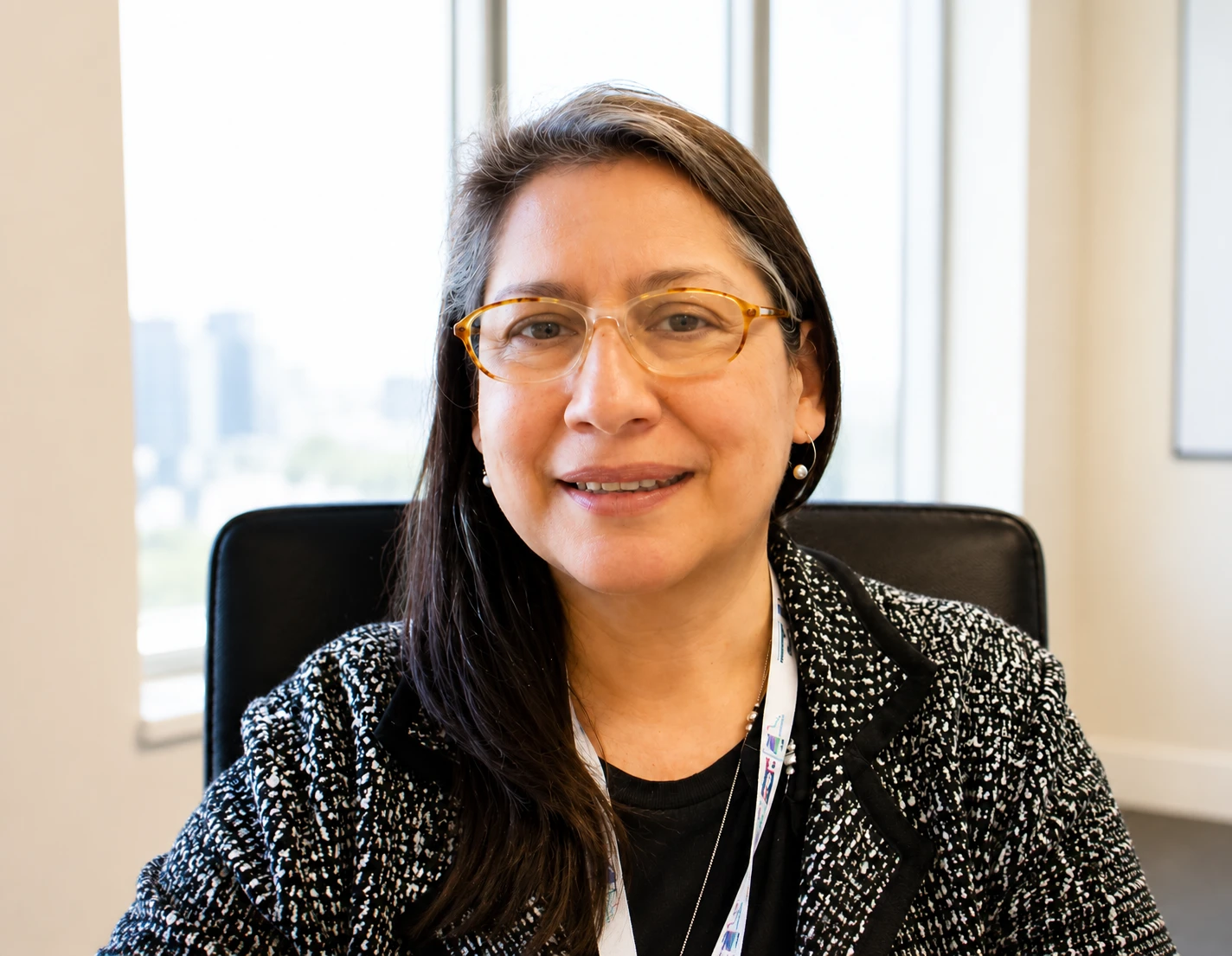
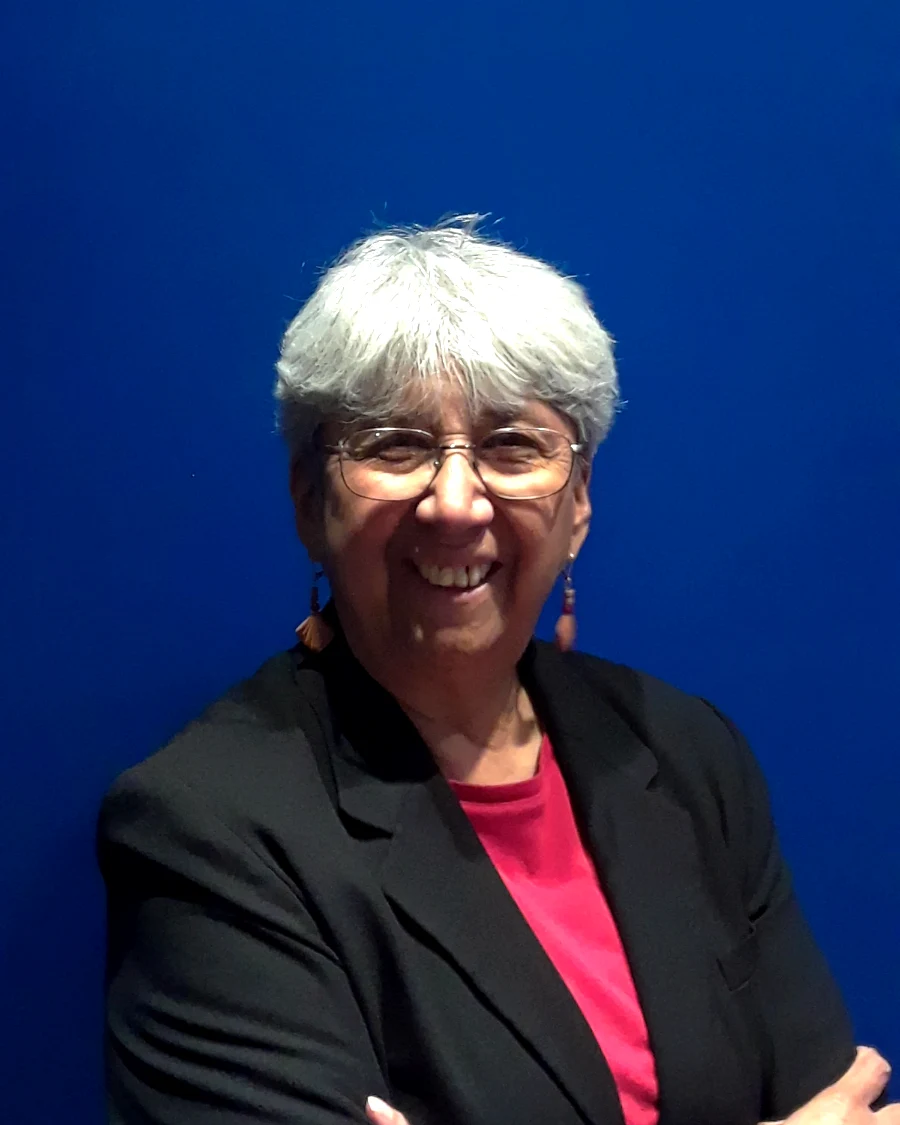
Ms. Alvarado-Little has focused on racial and health equity from a linguistic and cultural perspective, alongside interests in public policy, research, health literacy, and health disparities prevention. As Associate Commissioner and Director of the Office of Minority Health and Health Disparities Prevention at the New York State Department of Health, she leads health literacy and language access initiatives and has been instrumental in developing and implementing hospital- and clinic-based programs and policy. As former co-chair of the board of the National Council on Interpreting in Health Care (NCIHC), she helped the Council achieve the first National Certification for healthcare interpreters, the National Standards of Practice, and the National Code of Ethics. She serves on the HHS Office of Minority Health’s National Project Advisory Committee for the review of the CLAS Standards, has served on the National Academies’ Roundtable on Health Literacy, and chaired the New York State Office of Mental Health Multicultural Advisory Committee. With more than 40 years of experience, she has been a strong voice for linguistically appropriate healthcare at the national, state, and local levels, participating in efforts led by the Joint Commission, the American Medical Association, and the HHS Office of Minority Health. Prior to becoming an independent consultant, she and SUNY colleagues received a 2009 National Institutes of Health grant supporting the Center for the Elimination of Minority Health Disparities at the University at Albany, SUNY, where she served as PI and Director of Community Engagement and Outreach.
Linda G. Coronado
Pioneer of Hospital Interpreter Services
Stroger Hospital of Cook County · Day 1 Panelist
Linda G. Coronado spent 21 years at the Stroger Hospital of Cook County, where she was responsible for developing the first hospital-based interpreter services in Cook County (1984–2005), and went on to help create the Language Access Resource Center (LARC) in DuPage County. As an instructor at the City Colleges of Chicago, she facilitated the first and only medical interpreter training program at the college level. Her civic leadership runs just as deep: she served as member and chairperson of the Mayor’s Advisory Commission on Latino Affairs during the Harold Washington administration, co-convenes the 7th Cook County District Health Task Force, serves on the Board of Directors of the Brighton Park Neighborhood Council, and is an active member of the Peace and Education Coalition in the Back of the Yards, the neighborhood where she has lived her whole life. She holds a Bachelor’s in Spanish Secondary Education from Northeastern Illinois University and a Master’s from Roosevelt University.
Daniel Gutiérrez Mena
“The Mindful Interpreter: Building Resilience, Deep Listening, and Trauma Stewardship in Medical Interpreting”
Medical Interpreter & Health Educator
Rush University Medical Center
Daniel Gutiérrez Mena, founder of AlbaHealth.us, blends yoga, mindfulness, and global healthcare experience to create transformative wellness education that connects individuals to their physical, mental, and spiritual dimensions. From his journey immigrating from Lima to Chicago to his work across clinical care, research, and health innovation, he integrates modern science with indigenous wisdom to help others rediscover their relationship with health and the Earth.
Patricia A. Alonzo, EdD
“The Persistent Gap Between Policy, Practice, and Professional Medical Interpreting”
Director of Strategic Partnerships
Equiti Health
Dr. Patricia A. Alonzo is a trilingual medical interpreter (English, Spanish, and ASL) with a Bachelor’s in ASL Interpreting, a Master’s in Educational Leadership, and an EdD in Organizational Leadership focused on the health outcomes of Limited English Proficient patients in healthcare settings. Currently Director of Strategic Partnerships at Equiti Health, she combines interpreting expertise with strategic leadership. Her interpreting career began in Chicago as a trilingual freelance interpreter and continued at Moffitt Cancer Center, providing critical language services to LEP patients. During her decade at Stratus/AMN Healthcare she grew through a range of roles, and as VP of Language Operations at Universal Language Services she led the organization through transformational growth. Dr. Alonzo holds CMI national certification and frequently speaks on language access, cultural competency, and legislation.
Hugo Juarez
“Beyond Accuracy: The Invisible Skills in Healthcare Interpreting”
Hugo Juarez is a certified Spanish medical interpreter who has worked as a staff interpreter in both pediatric and adult hospitals for over 15 years. His experience at adult and pediatric Level 1 Trauma Centers and teaching hospitals in a major U.S. city has allowed him to serve patients and families of diverse backgrounds across a wide range of clinical settings. His Day 1 session names the practices interpreters routinely use to bridge the gap between accurate interpretation and effective communication (the work ethical guidelines from the NCIHC and IMIA make room for but never give a vocabulary), and explores how those practices adapt to remote interpreting.
Mercedes Martin
“Beyond Accuracy: The Invisible Skills in Healthcare Interpreting”
Certified Medical Interpreter (Spanish)
Nationally ranked pediatric hospital, Chicago
Mercedes Martin is a certified Spanish medical interpreter working at a nationally ranked pediatric hospital in Chicago. She holds a BS in Community Health & American Studies from Tufts University. Her Day 1 session identifies and names the invisible practices in-person interpreters use every day to turn accurate interpretation into effective communication, and explores how those practices carry over to remote interpretation.
Sarah Stockler-Rex, MA, CHI™-Spanish
“Elevating the Role of Healthcare Interpreters: Contributing to Positive Health Outcomes”
Director of Curriculum Development & Testing Administration
Equiti Health
Sarah Stockler-Rex has worked as a Spanish medical interpreter, in both onsite and remote modalities, for 15 years. She currently oversees Equiti’s Training & Testing Department: a team dedicated to continuous interpreter skill development and upholding the standards of the profession. A strong believer that skills maintenance is key for interpreters in leadership positions, she still regularly interprets within her local Columbus, Ohio community. Sarah holds a Bachelor of Arts in Spanish and Linguistics and a Master of Arts in Applied Linguistics with a specialization in Language Testing. She is a proud co-author of the highly acclaimed, first-of-its-kind textbook The Remote Interpreter: Volume I: Foundations in Remote Interpreting (Cross-Cultural Communications, 2023). One language-related life goal: dispelling the prescriptivist myth that any one language variety is superior to another.
Tatiana González-Cestari, PhD, CHI™-Spanish
“Elevating the Role of Healthcare Interpreters: Contributing to Positive Health Outcomes”
Director of Language Service Advocacy
Martti, an Equiti Solution
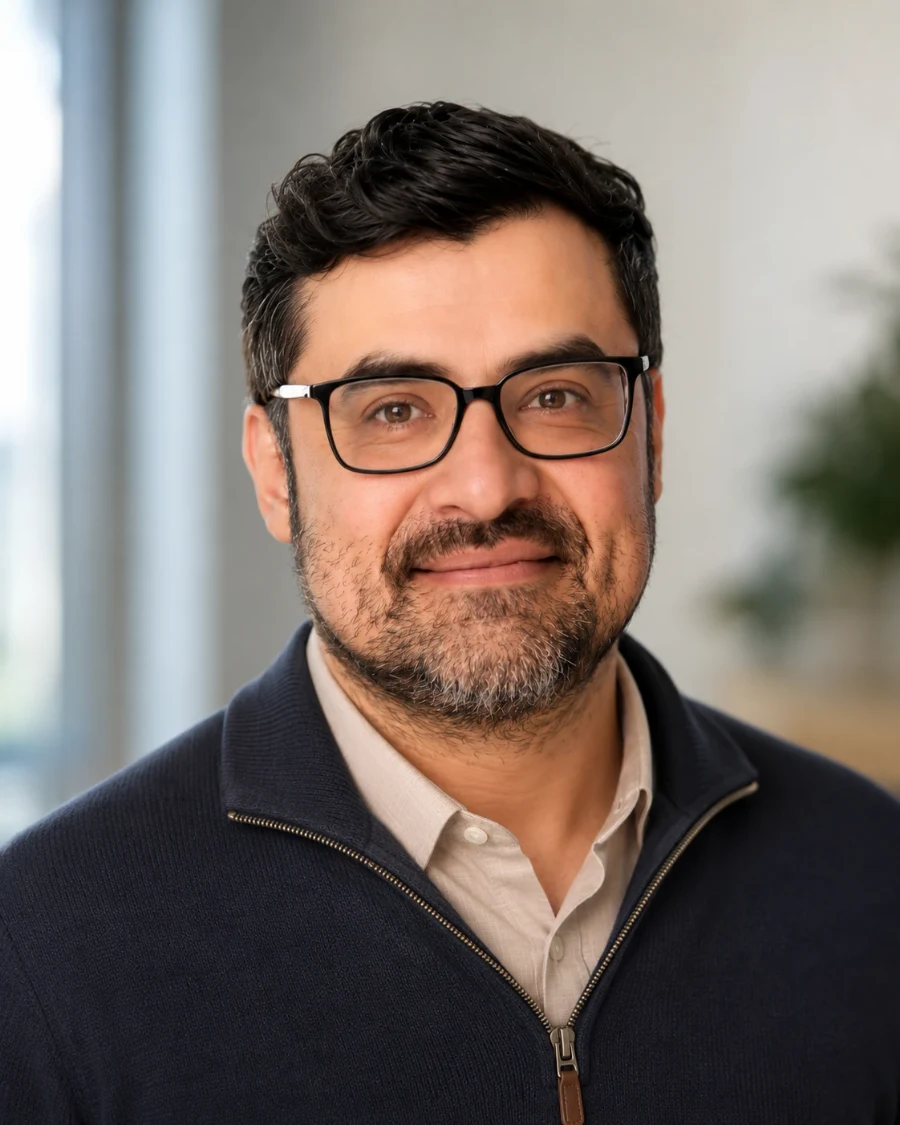
Dr. Tatiana González-Cestari has 23 years of combined experience as a pharmacologist, researcher, professor, leader, and remote interpreter. She is the Director of Language Service Advocacy at Equiti, where she focuses on hospitals’ language access best practices and their impact on quality, compliance, and financial metrics. Tatiana serves on the NCIHC board and its Policy, Education and Research Committee, and is a co-author of The Remote Interpreter textbook. She has mentored interpreters, developed training, presented at national and international events, published peer-reviewed and non-peer-reviewed articles, and lectured at various universities. She earned her pharmacy degree and her PhD in pharmacology from Universidad Central de Venezuela.
Program
Two full days of talks, panels, and workshops.
All times CDT · Lurie Children’s, Chicago + Virtual
More than 10 hours of CEUs across both daysPending
Day 1
Saturday, August 15
9:00 AM – 6:30 PM
About 6.5 CEU hours
8:30 AM
to 9:00 AM
Optional Hospital Tour (TBC)
RSVP details will be sent to registrants
Session
9:00 AM
to 9:30 AM
Coffee & Sign-In
Sign-in
9:30 AM
to 9:40 AM
Opening Address & Introductions
Master of Ceremonies
Session
9:45 AM
to 10:45 AM
The Origins of Language Access in Their Own Words
Wilma Alvarado-Little & Linda G. Coronado
Panel
1 hr CEU
10:50 AM
to 12:00 PM
Promoting Health Equity Through Language Access: A Case Study from Harborview Medical Center
Yuliya Speroff, CoreCHI-P™ · Harborview Medical Center, Seattle
Session
1 hr 10 min CEU
12:05 PM
to 1:05 PM
Why Hospitals Still Get Language Access Wrong: The Uncomfortable Truth
Danilo Formolo, MBA, CHI™ · Affinity Language Systems
Session
1 hr CEU
1:05 PM
to 1:25 PM
Networking
Networking
1:25 PM
to 2:15 PM
Lunch
Lunch
2:15 PM
to 3:30 PM
The Standards That Protect Patients: A Joint Commission View on Language Access
Elizabeth Even · Senior Director, Field Operations, The Joint Commission
Keynote
1 hr 15 min CEU
3:35 PM
to 4:35 PM
Empowering Communication: Lessons from Language Access Past, Present, and Future
Wilma Alvarado-Little · New York State Department of Health
Session
1 hr CEU
4:40 PM
to 5:10 PM
Beyond Accuracy: The Invisible Skills in Healthcare Interpreting
Mercedes Martin, CHI™ & Hugo Juarez, CHI™ · Ann & Robert H. Lurie Children’s Hospital of Chicago
Session
30 min CEU
5:15 PM
to 5:25 PM
Break
Break
5:30 PM
to 6:30 PM
Speak Up: Using Front-Line Experience to Shape Federal Policy
Marisa Rueda Will, CHI™-Spanish · Tica Interpreter Training & Translations
Session
1 hr CEU
Day 2
Sunday, August 16
8:30 AM – 4:35 PM
About 6 CEU hours
8:00 AM
to 8:30 AM
Optional Hospital Tour (TBC)
RSVP details will be sent to registrants
Session
8:30 AM
to 9:00 AM
Coffee & Check-In
Sign-in
9:00 AM
to 10:00 AM
Elevating the Role of Healthcare Interpreters: Contributing to Positive Health Outcomes
Tatiana González-Cestari, PhD, CHI™-Spanish & Sarah Stockler-Rex, MA, CHI™-Spanish
Session
1 hr CEU
10:05 AM
to 11:05 AM
The Persistent Gap Between Policy, Practice, and Professional Medical Interpreting
Patricia A. Alonzo, EdD · Equiti Health
Session
1 hr CEU
11:05 AM
to 11:55 AM
Lunch
Lunch
11:55 AM
to 12:55 PM
Advancing Language Access Through Interprofessional Collaboration: The Language Access & Care Committee
Yuri Takabatake, MD · Ann & Robert H. Lurie Children’s Hospital of Chicago
Session
1 hr CEU
1:00 PM
to 1:50 PM
The Mindful Interpreter: Building Resilience, Deep Listening, and Trauma Stewardship in Medical Interpreting
Daniel Gutiérrez Mena · Rush University Medical Center
Session
50 min CEU
1:50 PM
to 2:05 PM
Break
Break
2:05 PM
to 3:15 PM
Revising the National Code of Ethics for Interpreters in Health Care: What’s New?
Jane Crandall Kontrimas, CoreCHI™, MS · National Council on Interpreting in Health Care
Session
1 hr 10 min CEU
3:20 PM
to 4:20 PM
Lessons from the Department of Justice’s Language Access Enforcement
Michael Mulé · Civil Rights Attorney, formerly U.S. Department of Justice, Civil Rights Division
Session
1 hr CEU
4:20 PM
to 4:35 PM
Closing Remarks
Session
CEU hours shown are per session and are pending accreditation by NBCMI, CCHI and RID. CEUs are earned by attending live.
Sessions and times may shift slightly as the program is finalized.
True Language Access: Yesterday, Today, and Tomorrow.
A two-day exploration of where the field has been, where it stands, and where it has to go. Three lenses, one through-line: the patient’s right to be understood.
I
Yesterday
Where we came from.
We honor the educators, interpreters, and advocates whose decades of work laid the foundation for language access as a civil right.
II
Today
Where we stand.
We confront the gap between policy and practice in modern healthcare, where standards exist on paper but break down at the bedside.
III
Tomorrow
Where we are going.
We imagine the systems, training, and technology that could make true language access the default, not the exception, for every patient.
In-person venue
Lurie Children's
Streeterville · Chicago
The Venue
Lurie Children's.
Ann & Robert H. Lurie Children's Hospital of Chicago
One of the country’s leading pediatric hospitals, set in the heart of downtown Chicago’s Streeterville neighborhood. The conference takes place in Lurie Children’s conference facilities, with direct access from Michigan Avenue and the lakefront.
Address
225 E Chicago Ave, Chicago, IL 60611
Getting there
Short walk from the CTA Red Line. Streeterville parking garages within two blocks.
Registration
Choose your experience.
Join us in person at Lurie Children’s in Chicago, or attend live from anywhere in the world. Both options include the full program and CEU certification.
Late pricing ends in
Virtual
Attend from anywhere
$115USD
Late pricing
Live stream of both days
On-demand recordings of most sessions
Digital program and speaker materials
CEU certificate (live attendance, camera on, required)
These organizations paid for the rooms, the meals, the captioning and the interpretation that make two days of language access possible. The conference exists because they backed it.
A national audience
Interpreters, clinicians, administrators, language service providers, and policy leaders from across the country.
Real visibility
Your brand featured across the conference, on-site and in front of a highly engaged room.
A shared mission
Stand with two trusted institutions advancing language access in healthcare.
The conference is presented jointly by Lurie Children’s and Americans Against Language Barriers, both 501(c)(3) nonprofits (EINs 83-3016421 and 36-2170833). For sponsorship levels that include tickets, your payment may be deductible as a business expense, or as a charitable contribution to the extent it exceeds the value of those benefits. Please consult your tax advisor.
FAQ
Frequently asked.
01What is the conference about?
The 2026 Lurie Children's and AALB Conference is the 2nd Joint Conference of Ann & Robert H. Lurie Children's Hospital of Chicago and Americans Against Language Barriers. The 2026 theme, True Language Access: Yesterday, Today, and Tomorrow, explores the past, present, and future of language access in healthcare across two full days of talks, panels, and workshops.
02Can I attend virtually?
Yes. The conference is offered as a hybrid event. The Virtual ticket gives you a live stream of both days, digital materials, and on-demand recordings of most sessions afterward. You can attend from anywhere in the world. Please read the two answers below before registering if recordings or CEUs are the reason you are coming: not every session is recorded, and CEUs require live attendance.
03Will every session be recorded?
We record as much as we can, and the vast majority of sessions and workshops will be recorded. It isn't always possible, though. Recording is ultimately the presenter's call, and a few ask us not to. This year we expect the sessions led by Jane Crandall Kontrimas and Wilma Alvarado-Little to be live only, and there may be one or two others as presenters finalize their permissions. If a particular session is the reason you are registering, it is worth attending that one live.
04Is the conference CEU accredited?
Yes. The conference will be accredited for 10+ hours of NBCMI, CCHI and RID CEUs, so medical interpreters and ASL interpreters can both claim their hours. CEUs are earned by attending live. See the next answer for what that requires. Additional discipline-specific accreditation details will be announced as the program is finalized.
05Can I earn CEUs by watching the recordings on my own time?
No. CEUs are not available for self-paced or on-demand viewing. Our accreditors require live attendance, which for virtual attendees means being present in the live session with your camera on and visible for the duration. Watching a recording afterward does not qualify, and neither does joining live with your camera off. You are welcome to watch the recordings either way. They just cannot be credited.
06How is registration priced?
Late pricing is in effect: Virtual is $115 and In-Person is $225. Registration stays open through the conference itself. The Pricing section on this page shows the live schedule and the rate that is active right now, and registrations are non-refundable, so it is worth reading the refund policy before you pay.
07Where is the in-person venue?
Ann & Robert H. Lurie Children's Hospital of Chicago, located at 225 E Chicago Ave in the Streeterville neighborhood of downtown Chicago. The hospital is a short walk from the CTA Red Line and from Michigan Avenue.
08What about parking?
Multiple Streeterville parking garages are within two blocks of the hospital. Attendees arrange their own parking.
09Is there a dress code?
Business casual throughout the conference. On Day 2 we invite attendees who feel comfortable to wear traditional or cultural clothing as a celebration of the linguistic and cultural communities we serve.
10How do I become a sponsor?
Visit our Sponsorship page to review the Silver, Gold, and Diamond tiers, along with the Food Sponsor and ASL Interpreter Sponsor options. Exhibitor tables are sold out for 2026 and the $450 Supporter level is closed, so both appear on the page greyed out. Email contact@aalb.org if you would like to be told first should an exhibitor table free up. The conference is presented jointly by Lurie Children's and Americans Against Language Barriers, both 501(c)(3) nonprofits, and sponsorship levels that include tickets may be deductible as a business expense, or as a charitable contribution to the extent the payment exceeds the value of those benefits. Please consult your tax advisor.
11Can I request accessibility accommodations?
Absolutely. ASL interpretation is provided throughout the conference, and the registration form includes a field for additional accommodations. You can also email us directly at contact@aalb.org.